
COP-30 in Belém: Brazil as Host, Innovator and Strategic Partner for the Netherlands
From 8 to 18 November, I was in Belém during COP-30, providing on-site logistical support to Innovasjon Norge and other Northern European organizations. My work focused primarily on accommodation, transportation, media services and cultural programming, as well as collaborating on on-site reporting for Dutch media outlets such as NOS Journaal and RTL Nieuws. Being present on the ground also offered a valuable perspective on how Brazil — and the Amazon region in particular — positioned itself during one of the most significant global climate events of our time. Being present on the ground, however, also offered a valuable perspective on how Brazil — and the Amazon region in particular — positioned itself during one of the most significant global climate events of our time.
COP-30 in Belém made clear that the decision to host the summit in an Amazonian city was not merely symbolic, but strategic. It brought global discussions on climate, biodiversity and development directly into the heart of a region where these issues are lived realities rather than abstract concepts.
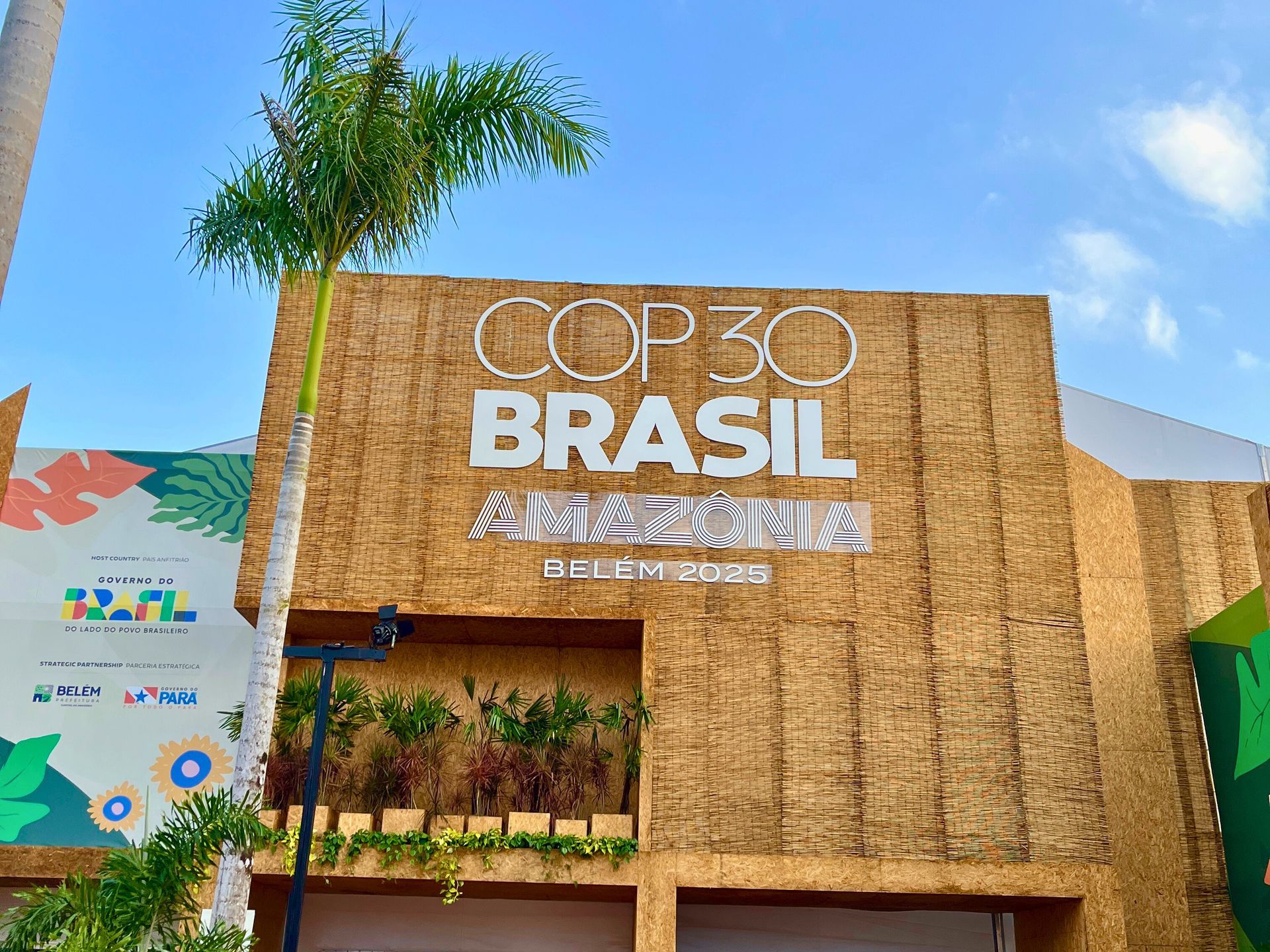
Belém and Brazil as Host Country
For the first time, a COP took place inside the Amazon. As a result, climate change was no longer a distant policy discussion, but something tangible — visible in the landscape, felt in the climate, and present in the daily lives of local communities.
The pressure on the city was considerable. Accommodation capacity, mobility and infrastructure were stretched to their limits. What stood out, however, was Belém’s adaptability. Local institutions, entrepreneurs and service providers worked closely together to support international delegations, companies and media under demanding circumstances.
For many Dutch and European visitors, this was their first encounter with the Amazon. Belém challenged preconceived notions and revealed itself not as a peripheral city, but as a strategic capital of the Amazon region — increasingly relevant to global debates on sustainability, bioeconomy and innovation.
Brazilian Solutions and the Amazon Bioeconomy
One of the strongest messages to emerge from COP-30 was Brazil’s positioning as a provider of solutions, not only as a country confronting environmental challenges. Innovation was not confined to laboratories or research centers, but deeply connected to local knowledge, practical experience and long-standing relationships with biodiversity.
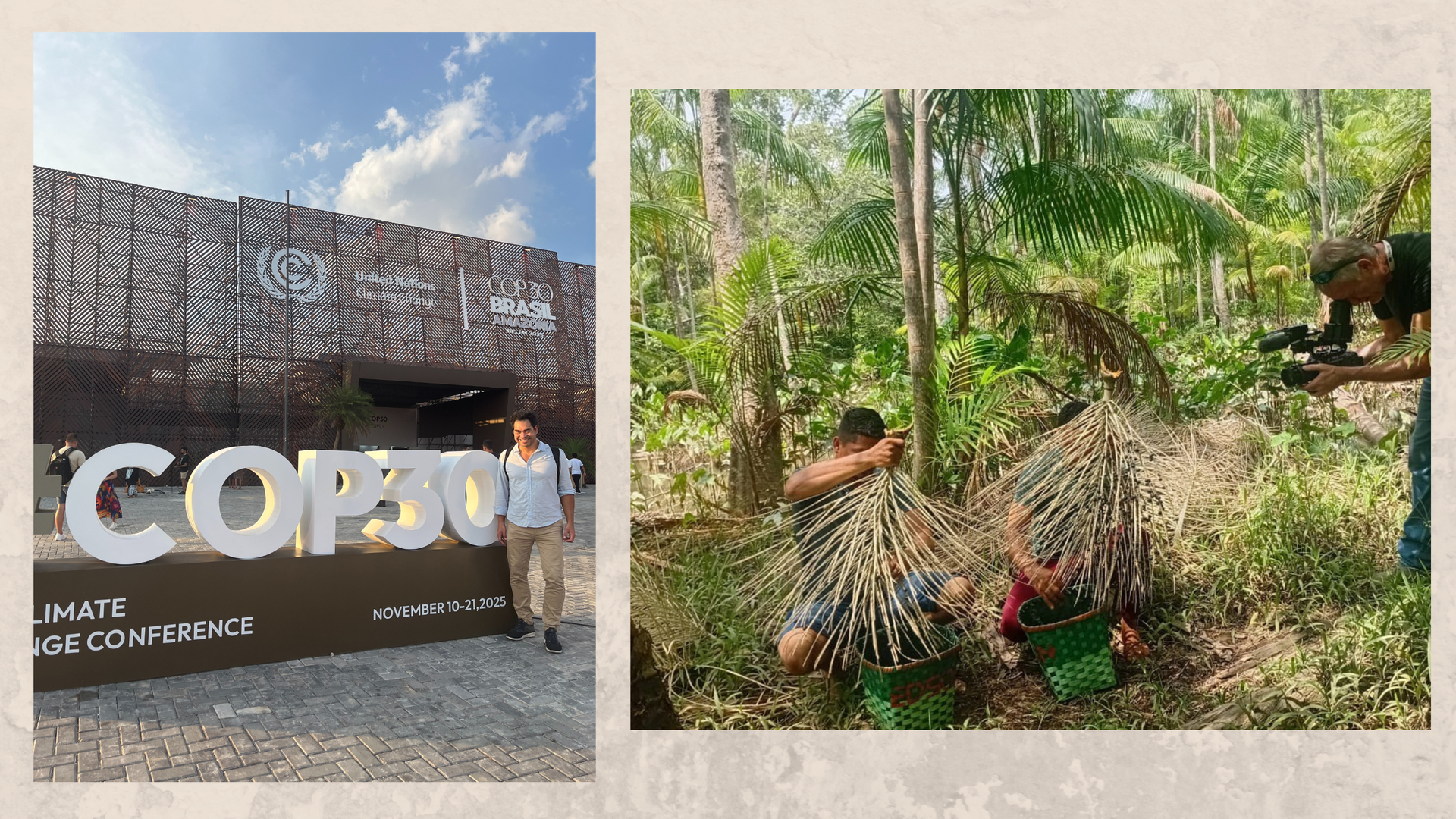
What personally impressed me most was seeing how traditional Amazonian knowledge is increasingly being translated into high-value, scalable solutions. Nuts, plants and trees from the rainforest are finding their way into the cosmetics, pharmaceutical and food supplement industries. This creates a development model that generates income for cooperatives and local communities, while keeping the forest standing — and in some cases actively contributing to its regeneration.
Ingredients such as andiroba, copaíba, murumuru, cupuaçu and cumaru are still relatively unfamiliar in the Netherlands, yet they are already being incorporated by sustainability-driven cosmetic brands in France, Germany and the United Kingdom. These organic, cold-pressed and fully traceable ingredients align well with European expectations around quality, transparency and environmental responsibility.
The challenges are real. Scaling production, securing investment, managing logistics and ensuring consistent quality remain complex. At the same time, it is clear that the Amazonian bioeconomy is entering a more mature phase. The inauguration of the Parque da Bioeconomia e Inovação da Amazônia by the state of Pará signals a shift from isolated initiatives toward more structured, long-term economic ecosystems.
Indigenous Knowledge as a Strategic Asset
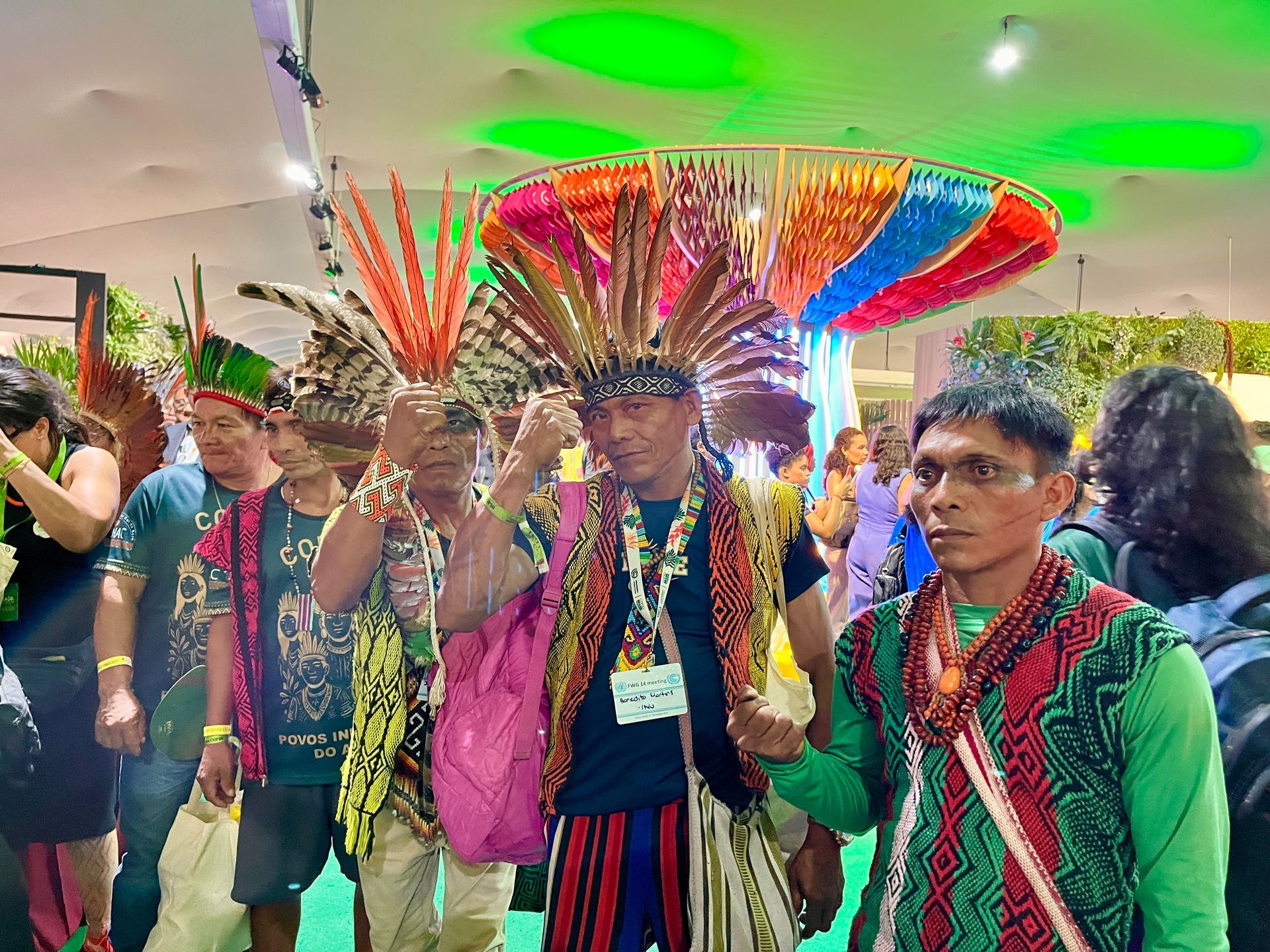
COP-30 also stood out for the central role of Indigenous representatives. Rather than being confined to side events, Indigenous leaders participated in core discussions as speakers, experts and dialogue partners.
Their knowledge was presented not merely as cultural heritage, but as strategic expertise — offering practical insights into biodiversity management, water systems and resilience. For many European delegations, this provided a new perspective on how traditional knowledge can complement scientific and technological approaches in addressing climate challenges.
Culture, Tourism and Sustainable Development
Beyond policy and trade, COP-30 highlighted the power of responsible and regenerative tourism. When properly developed, tourism can generate income for small entrepreneurs, local communities and river populations (ribeirinhos), while valuing local culture and preserving the rainforest.
Belém was presented to an international audience that was environmentally aware, culturally curious and appreciative of creative gastronomy and music. The city did not conceal its challenges. Social inequality, infrastructure gaps and a historic city center in need of renovation were clearly visible.
Precisely this openness made a strong impression. Many visitors were deeply affected by the vitality of local culture, the richness of the music scene, the proximity of the rainforest, the creativity and resilience of river communities, the depth of local cuisine, and the warmth and hospitality of the people. For many, this was their first experience of the Amazon — and it sparked a genuine desire to return and explore the region further.
From Dialogue to Implementation: Opportunities for the Netherlands
Within this broader context, the EU–Mercosur agreement represents an important new chapter in the relationship between the Netherlands and Brazil. Once it enters into force, the agreement will deepen cooperation between the European Union and Mercosur countries. Although the process is still undergoing legal review within the EU, the topic is already highly relevant for Dutch companies.
Clear opportunities exist in sectors where the Netherlands has strong international expertise: agriculture and precision farming, water management, ports and logistics, circular economy solutions and agroforestry systems. The Amazon is not only an ecological region, but also an economic one, where sustainable production models and infrastructure development intersect.
At the same time, one message from Belém was unmistakable: anyone seeking to do business in Brazil must understand the local context. Successful cooperation requires presence on the ground, an appreciation of regional diversity, respect for local culture and, ideally, at least a basic command of the Portuguese language. Brazil is too large, too diverse and too relationship-driven to be understood from behind a desk.
Long-term partnerships are built on trust, personal relationships and local engagement. Companies willing to invest time in understanding the context — by visiting the country, engaging with local stakeholders and learning how things work in practice — significantly increase their chances of success.
COP-30 demonstrated that Brazil is not merely participating in global climate discussions, but actively shaping them. With the EU–Mercosur agreement, a growing bioeconomy and an openness to collaboration, the Netherlands has a clear opportunity to position itself as a strategic partner — not only as an exporter of technology, but as a co-developer of sustainable solutions that create value for people, planet and the economy.